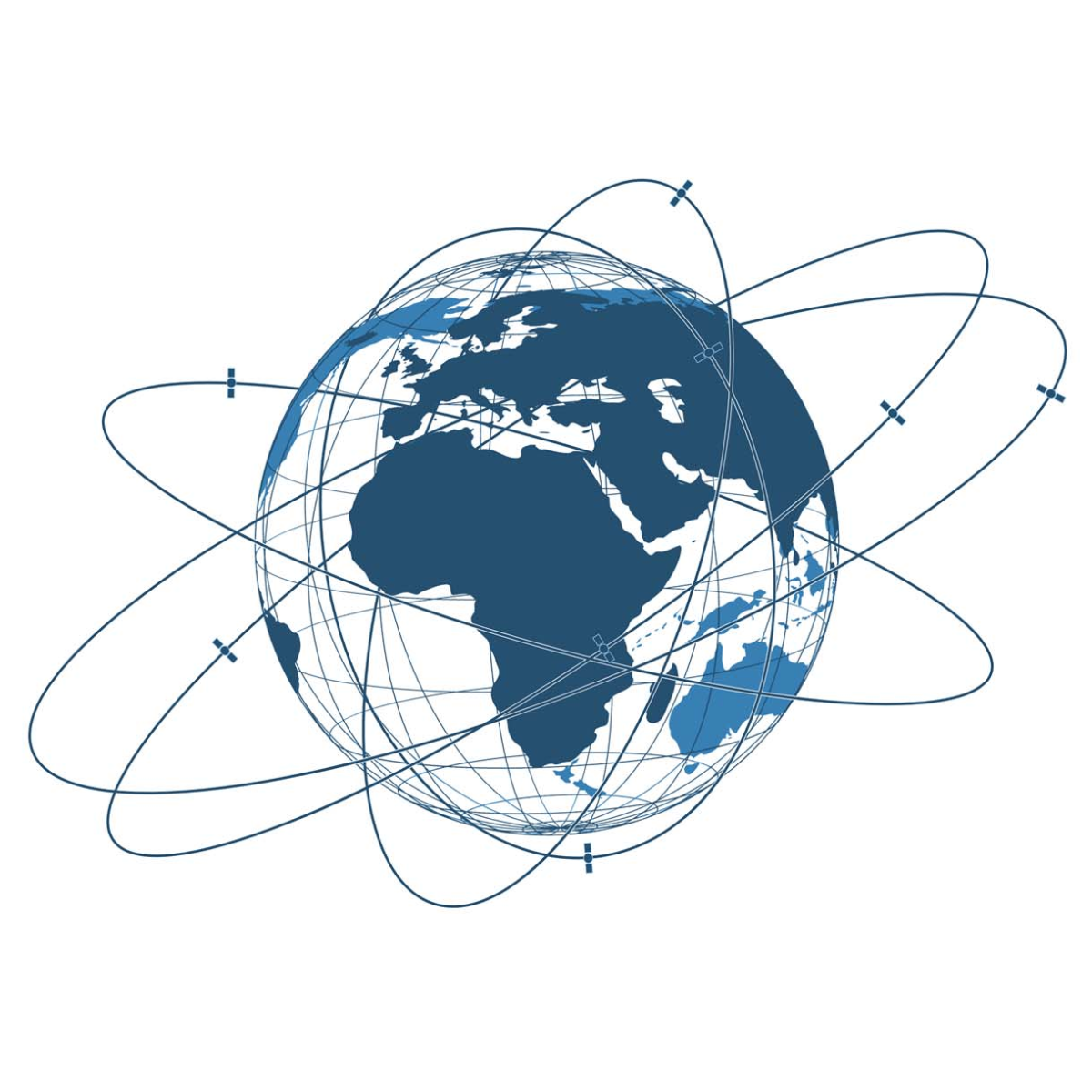
The project aims to develop a continuously updated, satellite-based risk monitoring service that identifies areas affected by both agricultural drought and excess surface water. By combining Sentinel-1 radar data for standing water detection, Sentinel-2 multispectral indices for vegetation stress analysis, and meteorological datasets, a harmonised drought–waterlogging index will be produced at national or regional scale. While current tools in Hungary rely mostly on classical threshold-based methods and / or manual dataset processing, this project should leverage large volumes of historical satellite and climate data to develop a deep learning model capable of predicting risk evolution. The system should provide weekly risk layers accessible via web interface and API, supporting farmers, water management authorities and insurance stakeholders with early warning and decision-making tools.
Data sources
- Radar-based water detection: Sentinel‑1 Synthetic Aperture Radar (SAR) data can be used to identify and quantify surface water extent and soil moisture anomalies under various weather conditions, leveraging its cloud-penetrating capabilities.
- Optical vegetation stress analysis: Sentinel‑2 multispectral data and vegetation indices (e.g., NDVI, NDWI, and EVI) can be employed to assess plant stress and canopy development dynamics at field to regional scales.
- Meteorological and soil data fusion: ERA5 and Copernicus Climate Data Store products, national meteorological datasets, and drought-related indicators (e.g., SPI, SPEI) can be integrated to capture environmental and climatic factors driving stress patterns.
Using these inputs, the project aims to build a harmonized drought–waterlogging index capable of providing balanced insights into the combined effects of water scarcity and saturation stress.
Expected research outcomes
- Development of an automated data ingestion and processing pipeline, capable of handling both near-real-time and historical satellite data.
- Exploration of advanced analytical and AI models, such as convolutional neural networks (CNNs), temporal LSTM architectures, or hybrid physics–ML approaches, for risk classification and prediction.
- Implementation of a web-based visualization and dissemination platform, where users can interactively explore weekly or daily risk layers, access API services, and download analytics.
Implementation platforms
Students may start the project development in local or simplified computing environments (e.g., Python-based Jupyter notebooks using downloaded datasets) to prototype algorithms, test data preprocessing workflows, or train preliminary models on subsets of the data. This allows for flexible experimentation and debugging before scaling up.
However, the goal is to deliver a production-ready, scalable system capable of automated, continuous operation and ready for national deployment. For this purpose, a containerized server / cloud infrastructure or open data infrastructures can be leveraged. Students are especially encouraged to use Google Earth Engine (GEE) or the Copernicus Data Ecosystem to manage, process, and visualize large-scale datasets efficiently.
- Google Earth Engine offers cloud-based access to Sentinel data, integrated climate sources, and scalable machine learning tools, enabling rapid prototyping and visualization.
- Copernicus Data Space Ecosystem provides APIs and interactive tools for direct access to high-volume Sentinel archives and Copernicus service data, supporting reproducible scientific workflows and integration with AI frameworks (e.g., TensorFlow, PyTorch).
Students are encouraged to select a platform according to their experience and research focus—starting locally for development and transitioning toward an operational prototype hosted on GEE, Copernicus, or a dedicated server-based environment capable of real-time updates and user access.